Anja Hess, MA, RCC 18489
they/them or she/he/they
My coworkers have compared me to a border collie. Therapy with me centres around consent, feedback, a little humour, and a get ‘er done attitude.
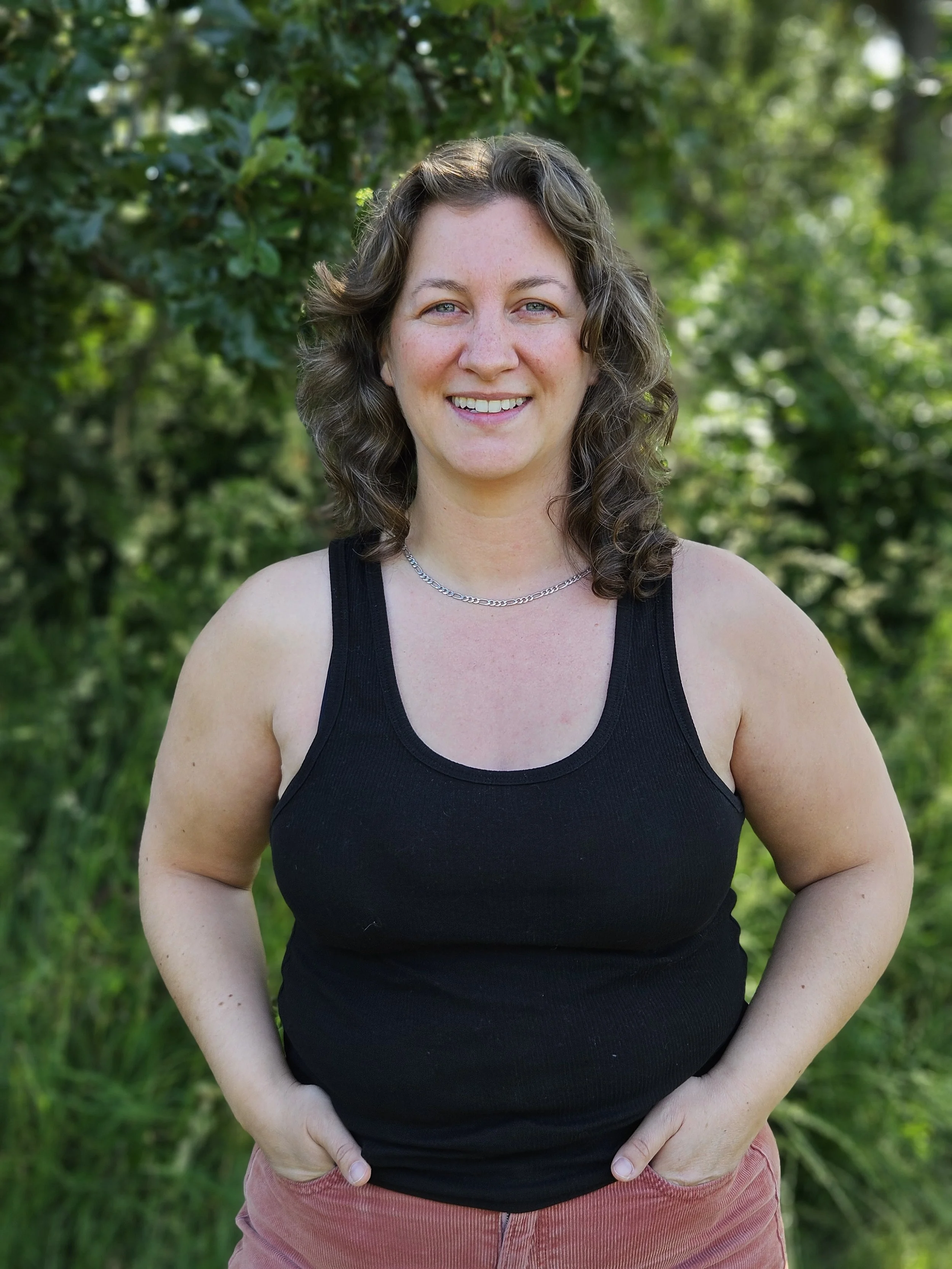
Clients served
Adults, seniors, and elders
Youth aged 15+
I offer sessions via video
Fees
$200 per 50-minute session
$300 per 80-minute session
My services are tax-free
100% coverage for First Nations under FNHA
100% coverage for Inuk under NIHB
I offer direct billing with most major insurance providers
Get to know me
ʔay̓ kʷ ən̓stečəl It’s good that you have arrived.
Welcome! I’m a queer and trans settler with mixed German-Roma heritage and I am a settler on the land of the Xʷsepsəm and Songhees First Nations. The greeting above is pronounced “hi-quan-state-chel” and it is Lekwungen, which is the native language where I live. I am happy you’re here.
I offer online EMDR for those seeking recovery from PTSD and complex trauma, or those who want a greater sense of peace. Although I have lived experience as queer, trans, a woman, Roma, a first-generation settler, neurodivergent, and past experiences of chronic illness and disability, most of what I’ve learned about intersectionality and anti-oppressive care has come from others. I am grateful for the opportunity to learn from colleagues, supervisors, community, and clients I’ve served—and I want to learn more.
I love my job, possibly even more than a border collie does, but when I’m not working I enjoy spending time with loved ones, getting creative, travel, making music, and connecting with nature. I have a heart for painting and taking pictures, but being near the ocean or among trees feeds my soul.
Themes I can support
Relationships
PTSD and trauma
Complex trauma including childhood trauma and sexualized violence
Healthcare professionals and first responders
Bullying and oppression
2SLGBTQIA+ experiences
Illness and chronic pain
Phobias and fears
Limiting beliefs, self esteem, and self-confidence
Third culture, mixed heritage, migration
and much more
My approach
I am passionate about anti-oppressive care and I draw on feminist therapy practices to balance our power differential. This includes feedback, informed consent, and options.
I use Baranowsky’s Triphasic Model for Trauma Recovery and a relational therapy called Interpersonal Process Therapy for complex trauma recovery when we’re talking, but my approach centres around EMDR because I want you to feel relief as quickly and as deeply as possible. In order to support recovery in more complicated or complex stories, I draw on somatic (body-based therapies) as well as ego-state work (parts work, IFS).
I also enjoy sharing some ways that I've been taught to decolonize emotions for anyone wanting to learn how to process them from beginning to end in a way that feels empowering. Supporting you to lean on your cultural strengths is important to me and you will never be expected to describe something that you want to keep private.